ISO 22000 Food Safety Management Certification
Ensure food safety and protect consumers with ISO 22000 certification. MSCGlobal is an accredited certification body providing independent, globally recognized ISO 22000 certification throughout Southeast Asia and Australia.

Why Get Certified?
The Benefits of ISO 22000 Certification
ISO 22000 certification demonstrates your commitment to food safety excellence and consumer protection throughout the food chain.
- Consumer Protection
- Systematically identify and control food safety hazards, ensuring safe food products and protecting consumer health.
- Regulatory Compliance
- Demonstrate compliance with food safety legislation and reduce the risk of food safety incidents, recalls, and penalties.
- Market Access
- Meet retailer, distributor, and export market requirements where ISO 22000 certification is mandatory or preferred.
- Supply Chain Integration
- Build trust with suppliers and customers through internationally recognized food safety certification.
- Reduce Product Recalls
- Prevent food safety incidents through systematic hazard control, avoiding costly recalls and brand damage.
- Global Recognition
- MSCGlobal's accredited certification is accepted worldwide by retailers, regulators, and food industry stakeholders.
- Brand Protection
- Protect your brand reputation by demonstrating commitment to food safety and consumer protection.
- Operational Efficiency
- Streamline food safety processes, reduce waste, and improve consistency in food production and handling.
"ISO 22000 specifies requirements for a food safety management system to demonstrate its ability to control food safety hazards in order to ensure that food is safe at the time of human consumption."
Global Standard
ISO 22000: The International Food Safety Management Standard
ISO 22000 is the internationally recognized standard for Food Safety Management Systems (FSMS). Organizations throughout the food chain, from farm to fork, use ISO 22000 to ensure food safety, prevent contamination, and demonstrate compliance with food safety requirements.
From food producers and manufacturers to processors, packagers, transporters, retailers, and food service providers, organizations across the entire food supply chain implement ISO 22000 to systematically manage food safety hazards.
The standard integrates HACCP principles with ISO management system requirements, providing a comprehensive framework that combines rigorous hazard control with the discipline of leadership accountability, internal auditing, and continual improvement.
- Certified Organizations
- 40,000+
- Countries
- 160+
- Years Established
- 19+
- Food Chain Coverage
- Full
High-Level Structure
The Structure of ISO 22000
ISO 22000 follows the High-Level Structure (HLS) with additional food safety-specific requirements including HACCP principles.
| Clause | Title | Focus |
|---|---|---|
| 4 | Context of the Organisation | Understanding food chain context, stakeholder needs, and FSMS scope. |
| 5 | Leadership | Food safety policy, commitment, roles, and food safety team leader. |
| 6 | Planning | Hazard analysis, risk assessment, and establishing food safety objectives. |
| 7 | Support | Resources, competence, infrastructure, work environment, and control of external provisions. |
| 8 | Operation | HACCP plan, prerequisite programs, operational control, and traceability. |
| 9 | Performance Evaluation | Monitoring, measurement, analysis, verification, and internal FSMS audit. |
| 10 | Improvement | Non-conformity, corrective action, updating FSMS, and continual improvement. |
ISO 22000 vs HACCP
HACCP Embedded in a Management System
A common question from food businesses is how ISO 22000 relates to HACCP. HACCP is a hazard analysis methodology, a systematic process for identifying CCPs and controlling food safety hazards. ISO 22000 is a full management system standard that embeds HACCP within a broader organisational framework.
Organisations that currently operate a HACCP plan will find that ISO 22000 formalises and strengthens what they already do, while adding the management discipline needed to sustain food safety performance over time.

- HACCP plan.
- Hazard analysis, CCP determination, critical limits, monitoring procedures, corrective actions, and verification activities, all required within the ISO 22000 framework.
- Prerequisite programs (PRPs).
- Basic operational conditions that HACCP alone does not require to be formally documented, cleaning and sanitation, pest control, allergen management, maintenance, and supplier controls.
- Management commitment.
- ISO 22000 requires leadership to define a food safety policy, appoint a food safety team leader, and provide resources, accountability that a standalone HACCP plan does not formalise.
- Continual improvement.
- Internal audits, management reviews, and documented objectives drive ongoing improvement of the FSMS, going beyond the reactive hazard control focus of HACCP alone.
Who Is ISO 22000 For
Coverage Across the Full Food Chain
ISO 22000 is designed to apply to every organisation in the food chain, regardless of size or complexity. This spans the full journey from farm to fork.
- Primary producers
Farmers, growers, and aquaculture operations where raw material safety is established at the source of the food chain.
- Food manufacturers and processors
Dairy, meat, seafood, bakery, beverages, and packaged goods producers managing biological, chemical, and physical hazards across production.
- Packaging manufacturers
Producers of food-contact packaging materials where contamination risks must be controlled before materials enter the food chain.
- Transport and storage
Cold chain and logistics operators responsible for maintaining temperature integrity and preventing contamination during handling and transport.
- Retail and food service
Wholesale distributors, supermarket chains, restaurants, and catering operators preparing and distributing food at the consumer end of the chain.
- Ingredient and additive suppliers
Businesses supplying food ingredients, processing aids, cleaning chemicals, or equipment used in food production.
The Audit
How MSCGlobal Audits Your FSMS
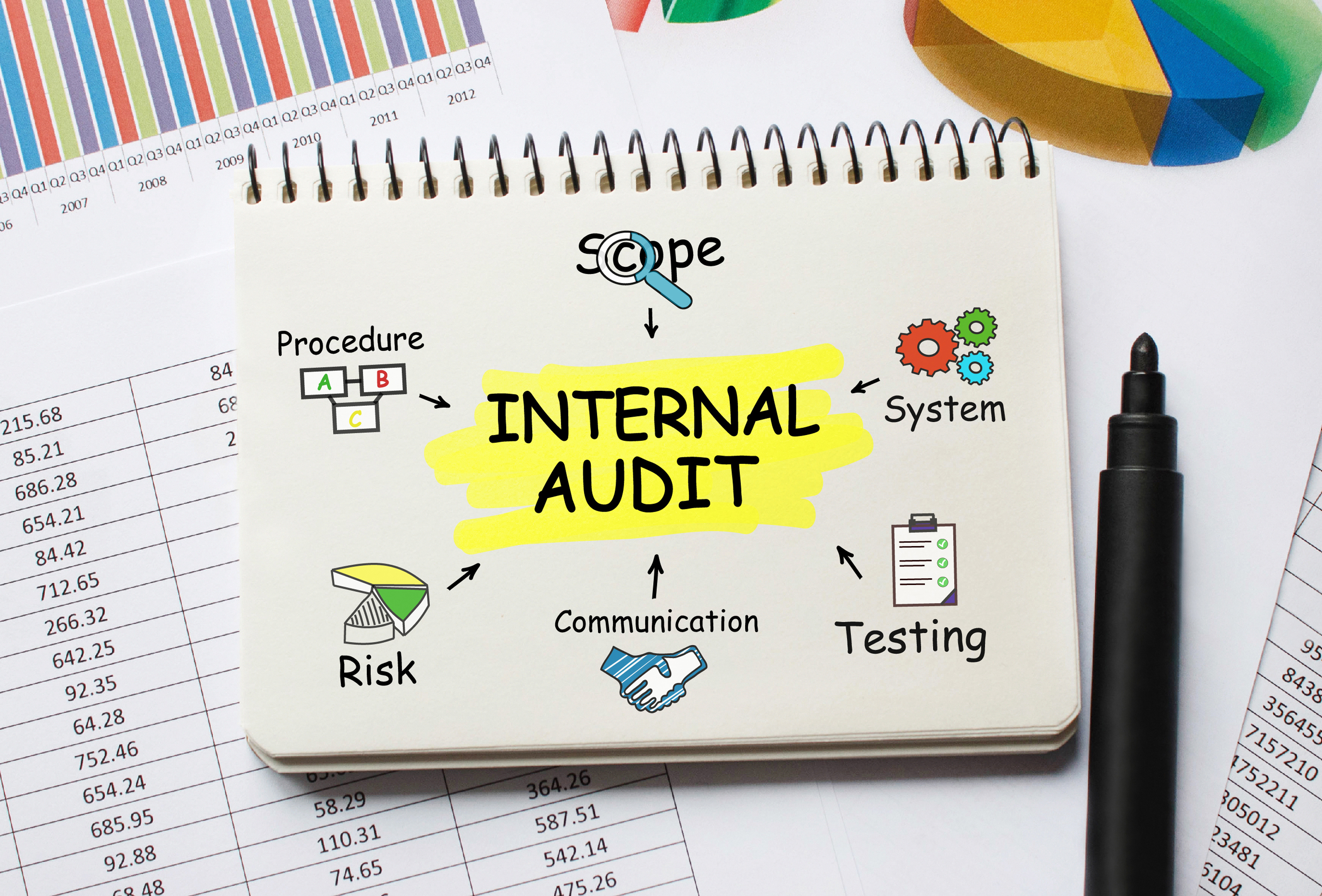
MSCGlobal's accredited ISO 22000 audit follows a two-stage certification pathway. Stage 1 confirms documentation is complete before the on-site audit proceeds. Stage 2 verifies the FSMS is genuinely implemented across your operations.
During Stage 2, auditors review CCP monitoring records, observe food handling and processing activities, test traceability through the supply chain, and assess environmental hygiene conditions, verifying that what is documented reflects actual practice.
- Hazard analysis and HACCP plan.
- Auditors confirm the hazard analysis is comprehensive and scientifically valid, CCPs and OPRPs are correctly identified, and critical limits are appropriately set.
- Prerequisite programs.
- Cleaning and sanitation programs, pest control, allergen management, maintenance procedures, and supplier controls are assessed for adequacy and implementation.
- Traceability and recall.
- Traceability systems are tested through the production chain, and recall procedures are verified to be documented, communicated, and capable of being activated quickly.
- Ongoing surveillance.
- Annual surveillance audits verify continued food safety control as products and processes change. A full recertification audit is conducted every three years.
Our Role
Independent FSMS Certification Body
MSCGlobal is an accredited ISO 22000 certification body, not a consultancy. Our role is to provide independent, impartial audits and issue globally recognized ISO 22000 certificates.
Common Questions
ISO 22000 FAQ
Answers to the questions we hear most often about food safety management certification. Ask us anything →
- What is ISO 22000:2018?
- ISO 22000 is the international standard for Food Safety Management Systems. The 2018 revision aligned it with the High-Level Structure shared by ISO 9001 and ISO 14001, making integration easier. It combines HACCP hazard control methodology with full management system requirements.
- Get Certified
- What is the difference between ISO 22000 and HACCP?
- HACCP is a hazard analysis methodology focused on identifying CCPs and controlling food safety hazards. ISO 22000 embeds HACCP within a full management system that also requires prerequisite programs, management commitment, internal auditing, and continual improvement.
- About HACCP
- What are prerequisite programs (PRPs)?
- PRPs are the basic operational conditions required before HACCP can function effectively. They include cleaning and sanitation, pest control, allergen management, maintenance, personal hygiene, and supplier controls. ISO 22000 requires PRPs to be formally documented and managed.
- Learn More
- Who needs ISO 22000 certification?
- Any organisation in the food chain, from primary producers and manufacturers to packaging suppliers, cold chain operators, distributors, and food service businesses. Major retailers, foodservice chains, and export markets increasingly require ISO 22000 or equivalent FSMS certification from suppliers.
- Learn More
- What is traceability and why does ISO 22000 require it?
- Traceability is the ability to trace food, feed, or ingredients through all stages of production and distribution. ISO 22000 requires documented traceability systems so that in the event of a food safety incident, affected product can be rapidly identified, located, and withdrawn from the market.
- Learn More
- What does the certification audit involve?
- Stage 1 reviews FSMS documentation including the hazard analysis, HACCP plan, prerequisite programs, and traceability systems. Stage 2 is the on-site audit verifying controls are implemented and effective. Annual surveillance audits follow, with full recertification every three years.
- Request a Quote
ISO 22000 Certification Across Southeast Asia & Australia
MSCGlobal provides ISO 22000 certification services throughout Southeast Asia and Australia. Our accredited food safety auditors understand regional food safety regulations, industry requirements, and international standards to deliver globally recognized certification across the food chain.
Ready to get certified? Start your compliance journey today.
Get expert guidance through ISO certification with our proven process. Fast, transparent, and hassle-free. Let's make compliance simple.